

The ride-hailing giant pledged at the South African Investment Conference. But there’s a catch, and a licensing problem they haven’t solved yet.
Uber has announced a R5-billion, roughly $295 million, investment commitment in South Africa over the next three years.
The pledge was announced at the South African Investment Conference on Tuesday. It supports the expansion of electric-vehicle fleets, the development of charging infrastructure, merchant hardware deployment, and new revenue-generating initiatives on the platform.
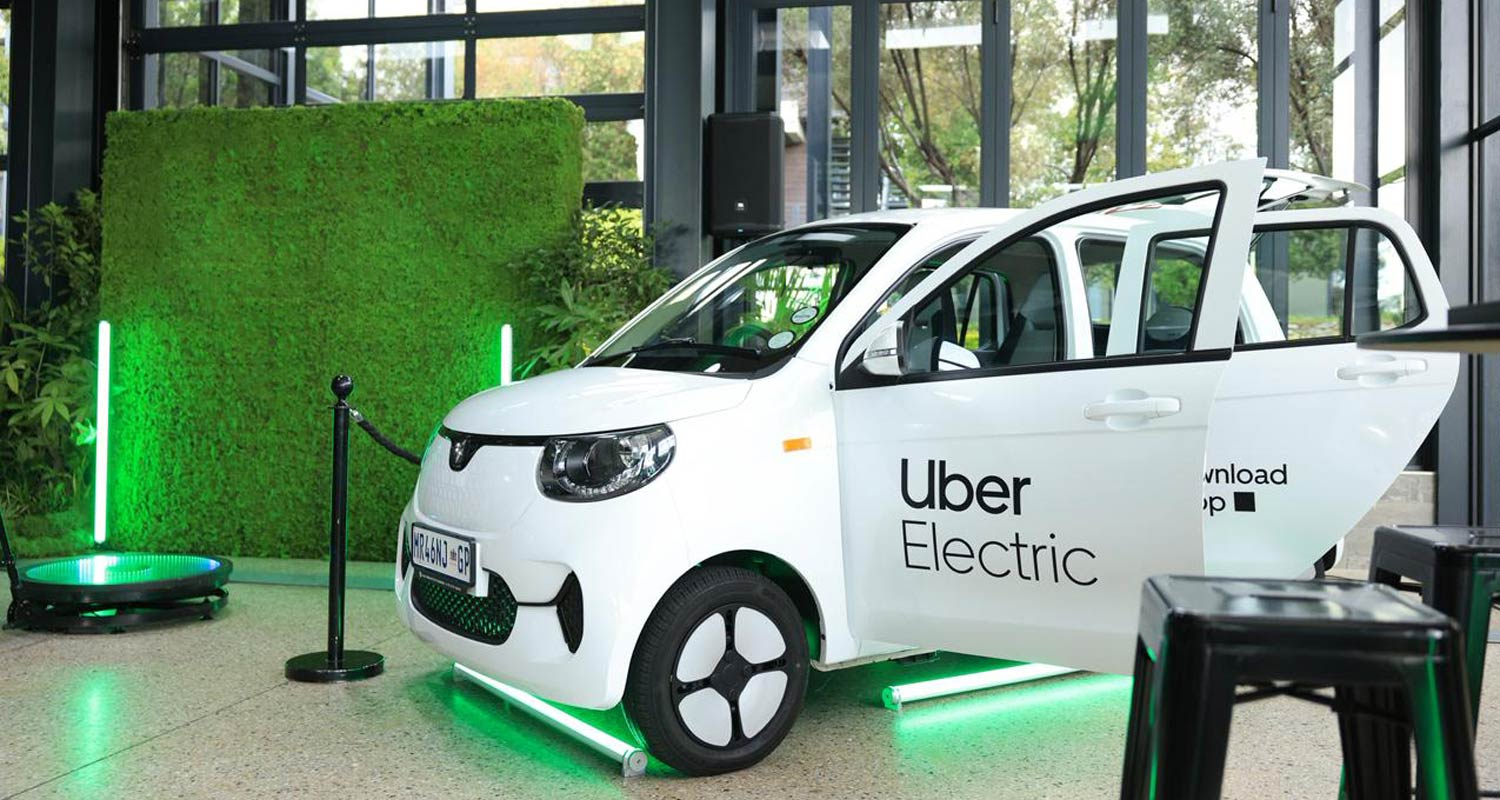
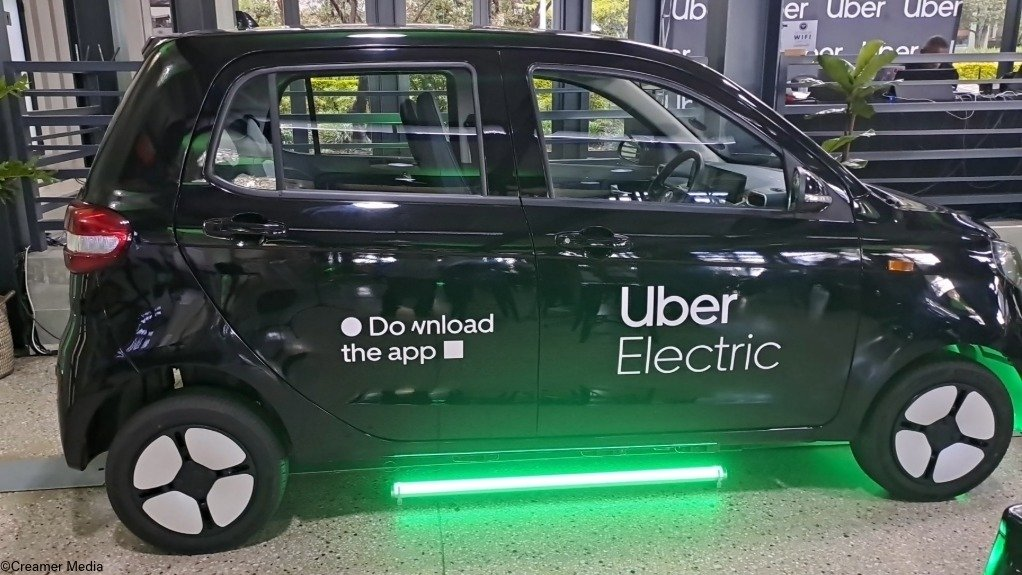
A significant portion of that figure is earmarked specifically for the expansion of Uber Go Electric, the company’s low-cost EV service that launched in Johannesburg four months ago and has already seen demand outpace supply.
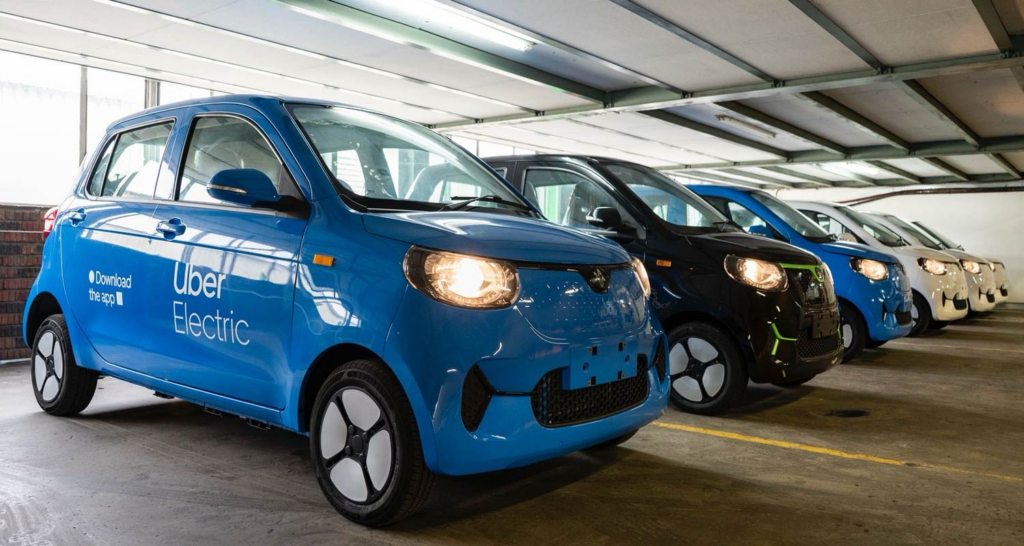
The e-hailing giant currently has more than 120 electric vehicles on the road in the Sandton-Rosebank corridor, with new vehicles arriving and the service expanding into additional corridors monthly as charging infrastructure catches up.
It’s a genuine push; Uber’s two-wheel courier fleet is already fully electric, and the company has a global zero-emissions target by 2040. Go Electric is the on-ground piece of that ambition in South Africa.
The honest fine print
Here’s what Uber’s sub-Saharan Africa General Manager, Deepesh Thomas, said: the R5-billion total is partly new investment and partly money the company had already planned. So not all of it was “fresh” spending announced on Tuesday.

Thomas didn’t deny this. He argued that areas like Go Electric, growing Uber Eats in townships, and other new initiatives do need extra funding, but the headline figure still includes costs that were already in motion.
So the investment isn’t meaningless; it just means the $295 million needs proper context.
The licensing problem nobody has fully solved
There’s another issue behind the pledge: Uber made it before being licensed under South Africa’s updated National Land Transport Act. The deadline passed on March 11, while competitors like Bolt and Wanatu already received licences.
Uber applied in December and is still waiting. Uber’s GM, Deepesh Thomas, said he expects the licence “imminently,” and there haven’t been clear problems with regulators, but the delay creates uncertainty for drivers, including worries like whether police could seize vehicles or whether they can keep working.
Also, drivers still need their own operating licences, and the system has often issued only thousands despite tens of thousands of applications.
In some places, licence limits can slow investment because lenders may not want to finance cars that could be at risk of impoundment.
The company has formed a technical task force with the transport regulator to work through the practical problems, but it’s moving slowly.
Why the timing matters
Uber’s investment announcement comes while it’s also lobbying for regulatory relief, and that’s likely deliberate. Thomas said the pledge is partly meant to help Uber’s position in discussions with the transport ministry and regulators.
Uber’s message is not “less regulation,” but better, more practical rules that fit how the technology works in real life.
How the government responds is still unclear. What’s evident is that Uber is pushing its case with the R5-billion figure and betting that the $295 million will give it influence at the table.
A Nigerian startup is building AI for Africans, and they just turned down $500,000 to prove it










Leave a comment