


Unemployment. Fast money. Peer pressure, family initiation. A month in Osogbo revealed a sex work culture hiding in plain sight and a more complicated answer than anyone wants to admit.
My apartment in Osogbo is opposite Osogbo Grammar School. I moved in for a work assignment, threw my bags down, and within the first few days, I noticed the street. Girls lined up along it every night.
Some calling out. Some were standing, waiting. One was old enough to be my mother. When I walked past, the pitch was always the same, casual, almost conversational. “What’s up?” Then whatever they were selling.
I was confused at first. Then curious. Then I decided to do what journalists do: find out why. Herein Osogbo
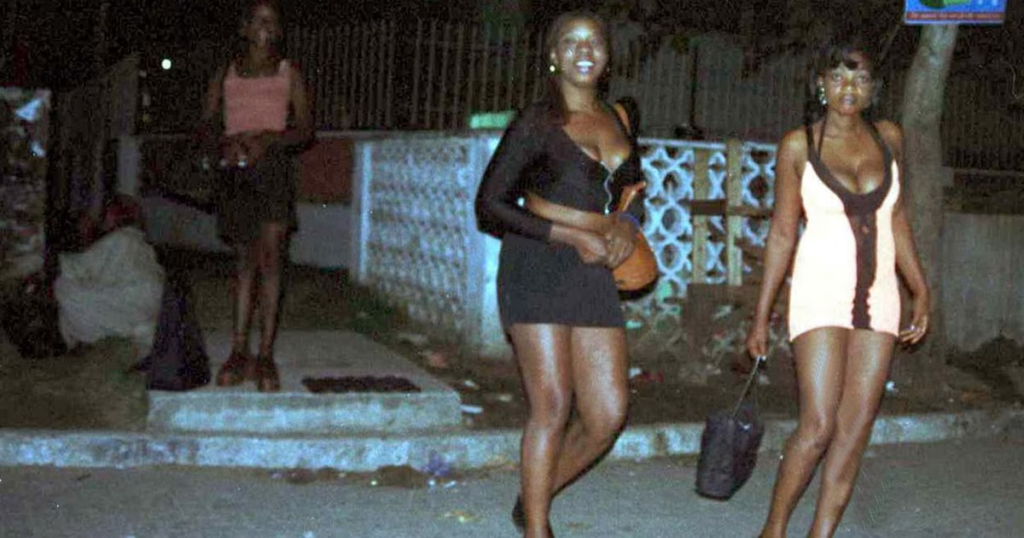
What struck me most was how ordinary they looked. No exaggerated outfits, no obvious markers of the profession, the way Lagos has conditioned you to expect. These were women who looked like they could be your neighbour, your classmate, the girl at the provisions store. Its normalcy was the most unsettling part. Osogbo is not a city that announces this. It just absorbs it.
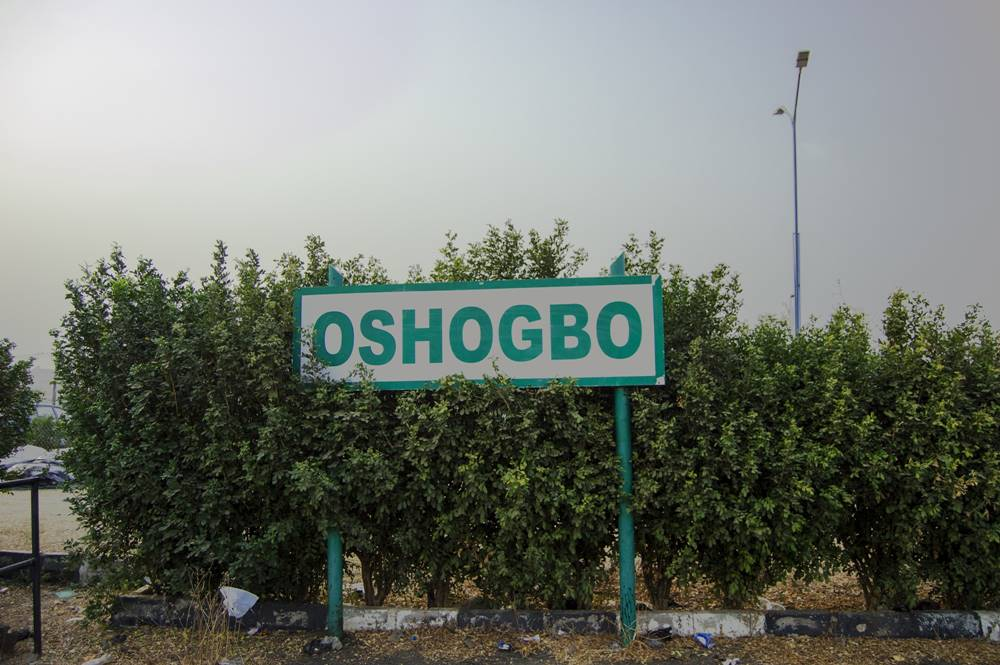
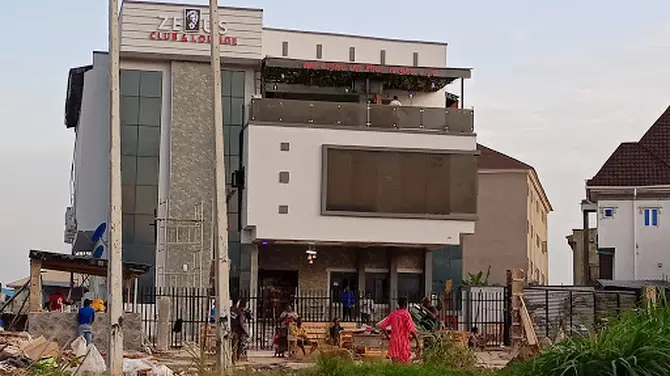
Over the course of a month, I spoke to ten women involved in sex work across the city. Five at a popular club in town. Five more were at Club Zeus, where they gathered around parked cars outside waiting for customers.
I paid ₦3,000 each just to talk; some initially assumed I wanted more, and I had to make it clear I was there for their story, not their services. It took patience. Some laughed. Some were suspicious. Most eventually opened up. What they told me was more layered than the easy narrative of desperation that Nigerians reach for whenever this topic comes up.
What the street in Osogbo actually looks like
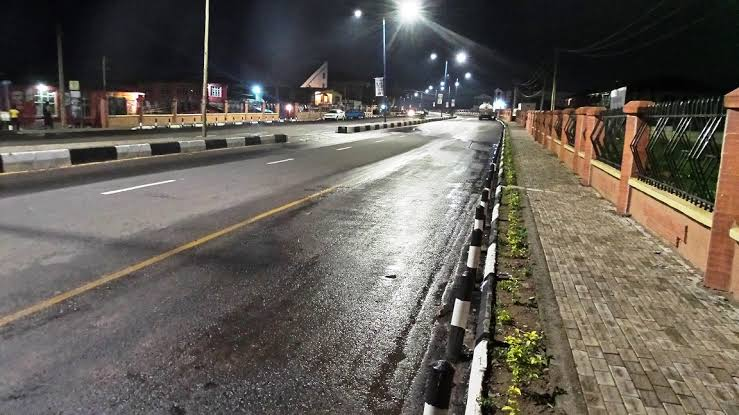
The area around Osogbo Grammar School after 8 pm is a different city. Women position themselves in loose clusters, some sitting on low walls, some standing at the edge of the road, some leaning into car windows when vehicles slow down. The transactions are quick. Negotiations happen in whispers. Then they disappear, sometimes returning within the hour.
What the street does not look like is what most Nigerians imagine when they hear the word “ashawo“. There is no red-light district signage. There is no obvious district at all. It blends into the neighbourhood. Residents walk past it. Okada men navigate around it. It is as much a part of the street as the buka that opens at 10 am.
I started approaching women during the day, not at night, which made conversations easier. The first one I approached properly was near Old Garage, Osogbo, during a separate journalistic assignment. She was a makeup artist, sharp, articulate, visibly put together. She was blushing when I asked her some questions, which confused me, and eventually she told me she also did runs. ₦10,000 a night.
She said the reason was simple: there were no jobs. When I was done asking questions, she waited until I finished, then told me that if I ever needed her services, she had given me her number. She said it the way someone says “if you ever need a referral.” Completely a matter of fact.
I was not ready for that.
Choice, circumstance, or both?
The simplest explanation for sex work in Nigeria is unemployment, and there is real truth in it. Four of the five women I spoke to at the first club cited joblessness as the primary reason. And I cannot dismiss that from a position of comfort.
It took me eight months after graduation to land my first job. Eight months of depression, lost weight, borrowed thousands from friends just to eat, my mum pitying me from across a phone call, Feranmi sending me ₦5,000 in Ibadan because I had nothing. I know what that particular waiting feels like. The way it hollows you out slowly. So I am not here to judge from a throne.
But the picture is not that simple. It never is.
The fifth woman, Felicia, the only one who gave her real name, is in her forties. She has two children, both living with her aunt. She was previously based in Lagos, working around Mushin and the Oju Irin axis near Ijora. She told me she had a method: she would work until one candle burned out, which is how she timed sessions in certain environments, charging ₦5,000 per candle in Lagos.
She moved to Osogbo after her elder sister, who had since retired from the same profession, initiated her into the Osogbo circuit. She said she was tired of conventional work. She wanted faster money. On good days, she makes around ₦30,000 a week.
Felicia did not describe her situation as desperation. She described it as a decision. That distinction matters, even if it is uncomfortable.
The women at Club Zeus skewed younger; the oldest I spoke to was 25, and the youngest 18. Lola, Aminat, Alice, Simbiat, not their real names, as they specifically asked me not to use those, same general story: no jobs, bills accumulating, no visible path forward. But when you push past the first answer, a second layer emerges. Peer pressure. Lifestyle. The visibility of what money in this business can buy.
WhatsApp channels now openly post girls across Nigeria for hookup arrangements, complete with photos, rates, and locations. They are not hidden. They have thousands of subscribers. Accounts on X openly run OnlyFans pages, selling content with the same energy someone else uses to sell skincare. The visibility of that income, iPhone 17s, designer pieces, a lifestyle that the average entry-level salary cannot touch, pulls some women in just as much as poverty pushes them.
A close female friend of mine outside Osogbo who sells clothes, wigs, and does nails and lashes told me that students at Osun State University are doing this behind the scenes. Some have approached her directly to connect them to male clients, knowing she interacts with both men and women through her business.
Her take was blunt: “They are lazy. They could look for a job, learn a trade, or do a vocation. But they want the fast life. They see their fellow girls with iPhones, and it enters their heads.”
It is a harsh take. It is also not entirely wrong. And it is not entirely right either.
The men nobody wants to talk about
Here is the section of this conversation that disappears every single time Nigerians argue about sex work: the demand side.
Every woman I spoke to, every single one, said their primary clients are married men. Not single guys looking for excitement. Married men. Men with wives at home, children in school, a domestic life that looks completely normal from the outside.
A typical Baba Semiu who closes from work while his family is expecting him home, but drives somewhere else first. He calls it freedom. He calls it stress relief. It is the most Nigerian euphemism in existence.
A friend of mine patronises sex workers in Abeokuta every weekend. He pays ₦15,000. He told me about it casually, the way someone talks about going to a barbershop. He said it saves him from the stress of relationships and situationships. He said this without embarrassment. Without a single pause.
This is the contradiction at the centre of every moral conversation Nigeria pretends to have about sex work. We shame the women. We debate their character. We ask what their mothers would think. And we say absolutely nothing about the men who are, without exception, the reason this market exists and the reason it grows.
Without clients, there is no supply. Without Baba Semiu, without my friend from Abeokuta, without every married man who thinks paying ₦5,000 or ₦15,000 makes it a transaction rather than a betrayal, the street opposite Osogbo Grammar School is just a street.
Men are the root cause of this. We sustain it. We fund it. We normalise it. And then we point at the women and call them names.
The health reality they are living with in Osogbo and everywhere
Beyond the economics and the moral debates, there is a public health dimension to this that deserves to be stated plainly.
Women in street-based and club-based sex work face significantly elevated risks of sexually transmitted infections, HIV, gonorrhoea, chlamydia, syphilis, hepatitis B and C among them. Nigeria’s HIV prevalence, while declining overall, remains disproportionately concentrated in populations like this one.
The conditions under which transactions happen, rushed, sometimes outdoors, with limited negotiating power, make consistent condom use difficult to enforce. A client who refuses a condom is often a client who simply pays more. That trade-off gets made more often than anyone wants to acknowledge.
There is also HPV, the human papillomavirus, which, in high-risk strains, can lead to cervical cancer. Women with multiple partners and inconsistent protection are among the most exposed populations. Nigeria’s cervical cancer burden is already one of the highest in the world. Women in this space, who are rarely present at clinics and are largely invisible to the public health system, are in the eye of that storm without knowing it.

Beyond the physical, there is the psychological weight. Repeated transactional intimacy. The constant risk of violence, from aggressive clients, from area boys who extort, from men who pay and then decide they want to take more than they paid for.
The social isolation of carrying a life you cannot discuss with your family. Felicia talked about it all matter-of-factly. Years of practice have produced a composure that reads like peace but probably is not.
Access to sexual health services for women in this population in a city like Osogbo is minimal. Most are not reached by outreach programmes. Most will not walk into a government clinic. They exist in the gap between visibility and care, in a country where the public health system barely functions for people who actively seek it out.
The digital acceleration
One thing that has changed the landscape of sex work in Nigeria significantly is technology, and not in the way anyone planned.
WhatsApp channels advertising women for hookups across Nigerian cities operate openly. Telegram groups do the same. On X, accounts like those run by girls who have built followings around their OnlyFans pages have essentially created a new category, digital sex work that reaches paying subscribers globally, conducted entirely from a phone in a room in Osogbo or Lagos or anywhere.
The stigma has not disappeared, but it has thinned. When something is visible enough, when enough people are doing it publicly enough, normalization follows.

My friend, who sells wigs, nails and does lashes, has had girls approach her specifically to broker introductions to male clients. They are not strangers off the street. They are university students with phones and social media accounts and a very clear understanding of the market they are entering.
The lifestyle appeal of that market, the iPhones, the travel, and the aesthetic of easy money is itself a recruitment mechanism. Not a coercive one, but an ambient one. You do not need a recruiter if Instagram does the job.
What I actually think since I came to Osogbo
I came into this month with a question: unemployment or laziness? I am leaving with a more honest answer: that framing is the wrong question entirely. Osogbo made it clear.
Some of these women are trapped by genuine circumstance. Some made a deliberate calculation about money, risk, and time. Some were introduced to this life by family, which removes the neat idea of free choice. Some are chasing a lifestyle that social media made feel adjacent and attainable. Most are navigating a combination of all of these things, which does not fit neatly into any moral verdict.
What I am certain about is this: Nigeria’s conversation about sex work focuses almost entirely on the women in it. It shames them. It debates their character. It asks who raised them. It rarely asks who is paying them.
It rarely asks why formal employment has failed so many young Nigerians so completely that selling your body at 18 on a street in Osogbo becomes a rational choice. It rarely asks what healthcare these women have access to, or what exit options exist, or what a government serious about the problem would actually do.
The makeup artist near Old Garage was blushing when I spoke to her. She waited until I was done asking questions, then gave me her number in case I wanted her services. She charges ₦10,000 a night. She said there are no jobs.

I do not know if that is the complete truth. I know she believes it. I know that Felicia, who is in her forties and has two children she is not raising, made a decision years ago that she has not reversed. I know that Lola, Aminat, Alice and Simbiat are under 25, on the streets of Osogbo, telling a journalist they have no options.
And I know that somewhere tonight, a married man is driving past his house toward that same street. Paying ₦5,000 in Osogbo. Calling it freedom.
The women are visible. The men are invisible. The system fails both and addresses neither.
That is the real story here, in Osogbo. Everything else is just the part that Nigeria is comfortable discussing.








Well done Banky… Well said and put together
Thank you so much
Finally, an article on the harsh reality surrounding sex work. An unfiltered take apportioning blame where it belongs.. with the women, men and the society that failed them.
Unfiltered. I’m glad it resonated with you. Thank you for reading
In a society where glam is glorified and the result of hard work is not encouraging.
This is a job well done….. Keep it up brother 💪
Thank you so much
In a society where glam is glorified and the result of hard work is not encouraging.
This is a job well done….. Keep it up brother 💪
True, well said. Thank you for reading.
Great piece. I was looking for proposed solutions, etc.
I do not agree that government/society failed entirely. There are many platforms and initiatives by foundations, NGOs, Government agencies for youth empowerment, entrepreneurship, vocational skills etc on campuses, NYSC etc for the willing…
Where there’s a will, there’s always a way…
Your female friend proved that. Your personal experience too…
Congratulations on this story. Can’t wait for more…
Thank you so much and all your suggestions have been noted. I’m glad you liked it
Brilliantly woven! I’ll share. I’ll keep coming back.
Apt, I must say, from the different angles.
Insightful… Well -done and thank you.
Thank you so much
Nice one bro!
Thank you so much for reading
Nicely written. You targeted every sector of the issue regarding this matter
This is a detailed and enlightening read. Well done