


The investigation exposed real loopholes. But blaming the platforms alone misses the bigger, more uncomfortable problem.
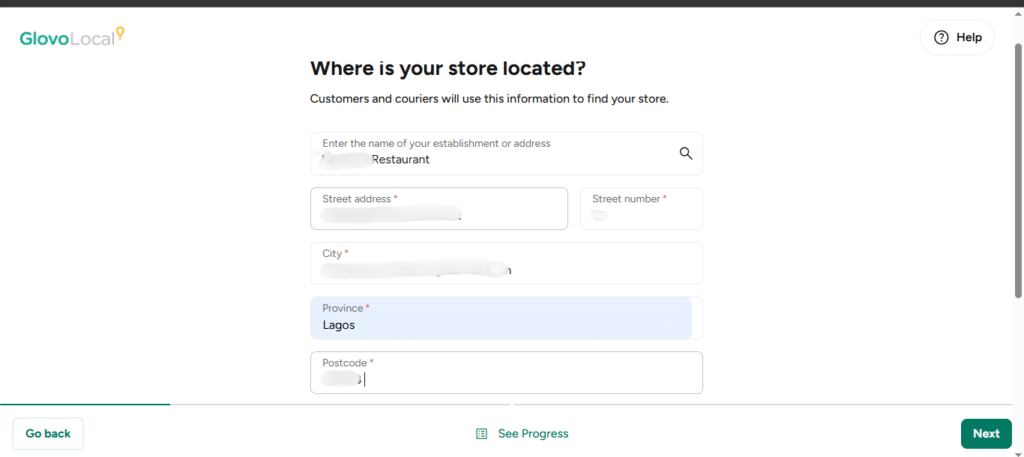
Techpoint Africa did something every Nigerian who has ever ordered food online should read about. They impersonated a real Lagos restaurant, created a fake tax ID using random numbers, stole menu photos from the real business’s Instagram page, paid a ₦20,000 activation fee, and within 48 hours, they were live on Glovo. Accepting orders. Making sales. As a restaurant that doesn’t exist.
Then they did it on Chowdeck in just over an hour.
The full investigation is out, and it is damning. But before we grab our pitchforks and aim them entirely at the platforms, we need to have an honest conversation about what this investigation actually reveals, and who is really responsible for the mess.

What Glovo got completely wrong
Let’s not be kind about Glovo’s failures here, because they are significant. A fabricated tax ID in the standard Nigerian format sailed through without a single flag. That alone tells you everything: Glovo is not cross-checking submitted details against the Nigeria Revenue Service’s TIN verification portal or the CAC register, both of which are publicly accessible and free to use. There is no excuse for that.
The so-called “business verification” step turned out to be nothing more than uploading a menu. A partnership agreement was sent and signed before any meaningful verification had happened. A device for order tracking was physically dispatched to a fake restaurant. And when Techpoint placed an order through their impersonated store, it was fulfilled.
Over 6,000 vendors. ₦71 billion in revenue. And apparently no meaningful Know Your Business process to speak of. Glovo declined to comment when contacted, which is its own kind of answer.
Where Chowdeck deserves a fairer reading
Here is where the Techpoint investigation, excellent as it is, deserves some scrutiny of its own.
Chowdeck actually flagged the mismatched CAC document. The platform rejected it. It identified that the business name did not match the CAC number submitted. That is more than Glovo did. The problem is that after rejecting the document, Chowdeck still allowed the registration to proceed under a restricted-access provision designed for small businesses that are still formalising their registration.
That provision exists for a legitimate reason. Not every small food vendor in Nigeria has their paperwork perfectly in order. Chowdeck built a pathway for them. The flaw is that the same pathway can be exploited by anyone with bad intentions, which is exactly what happened.
But there is a meaningful difference between a platform that does nothing and a platform that tries to build a safeguard that was then gamed.
Chowdeck responded to the investigation. It explained its process. It acknowledged the gap. Glovo said nothing. That distinction matters, even if both platforms ultimately failed the test.
The villain this piece isn’t naming loudly enough
Here is the uncomfortable truth sitting underneath this entire investigation: Glovo and Chowdeck are operating in a regulatory vacuum that Nigerian authorities created and have maintained for years.
Unlike fintech, where the CBN mandates strict KYC and KYB requirements and hands out billion-naira fines for non-compliance, Nigeria’s food delivery sector has no specific governing law and no single regulatory body with a clear mandate over it.
The FCCPC has broad consumer protection jurisdiction, but has issued no framework for food delivery platforms. NAFDAC regulates food-handling establishments but has no mandate over the platforms listing them.

Meanwhile, in India, the FSSAI holds delivery companies directly accountable for the food they deliver. In China, platforms, including the country’s biggest players, were fined the equivalent of $528 million after an investigation uncovered thousands of ghost vendors operating with forged licences.
Nigeria’s food delivery sector is smaller, but the risks are identical. Fake vendors. Stolen identities. Unverified food sources are entering homes.
The platforms should do better. But they are not breaking any law, because no law exists. That is a regulatory failure, not just a corporate one.
The verdict on fairness
Was the Techpoint investigation fair? Mostly, yes. The methodology was rigorous, the findings were specific, and the public interest case for doing it was clear. Corporate Ewa’s December complaint about impersonation on Glovo was the spark, and Techpoint followed it properly.
But the framing tilts slightly too hard toward platform blame without holding regulators to the same standard. A sidebar about Glovo’s revenue and vendor count without equal scrutiny of why the FCCPC has not moved on this sector reads as incomplete. The investigation opens the door to the regulatory question and then steps back from it too quickly.

What Techpoint found on Glovo and Chowdeck is important. What Nigerian regulators need to do with those findings is the more important story. A collaboration between the FCCPC and NAFDAC, as the piece itself suggests, is the obvious next step. The question is whether anyone in government is actually reading.
Because right now, anyone with a fake tax ID, stolen photos, and ₦20,000 can sell you food on a major Nigerian platform. And nobody is legally obligated to stop them.
That should bother all of us.
Similar read: A Glovo rider threatened to beat up a customer over a food delivery. She’s now speaking publicly










Leave a comment