

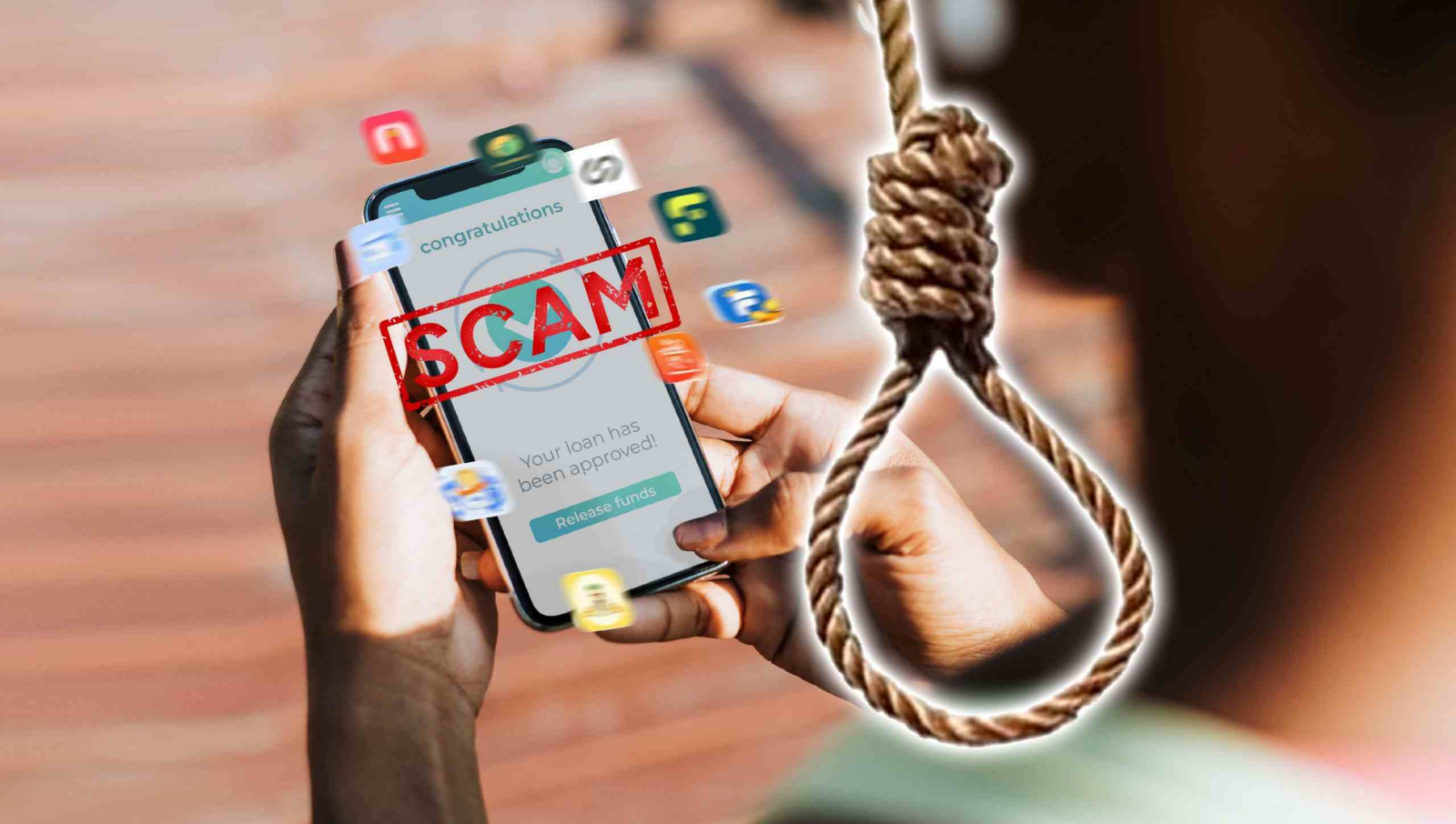
Nigeria’s digital lending space may be facing another clean-up. Social media user Bolaji Fesomade says another batch of loan apps will be investigated and shut down by the Federal Government this week, with the apps already delisted and blacklisted.
The list he shared includes WeCredit, Hen Credit Loan App, Cash Door App, Joy Cash Loan App, EagleCash App, LuckyLoan Personal Loan App, GetLoan App, EaseLoan Apps, Cashlawn App and EasyNaira App, with more names said to be coming later.
The warning follows months of pressure on Nigeria’s loan app market, where complaints about harassment, data abuse and aggressive debt recovery have kept regulators busy.
FCCPC has already blacklisted dozens of apps this year and placed many more on watchlists, saying some lenders were operating outside consumer protection rules.

Why the apps are being targeted
The main issue is not just that people borrow money on these apps. The problem is how some of them behave after giving out the loans. Users have accused some platforms of calling contacts, sending shame messages, and using private data in ugly ways when repayment becomes difficult.
That is why regulators have been moving harder against non-compliant lenders.
FCCPC has been building a broader crackdown on digital lenders since 2025. Reports in January said 45 loan apps had already been blacklisted, while many others were placed under review.
Some reports also say the government is working with app stores and banks to remove illegal lenders and make sure they do not simply reappear under new names.
Crypto bridge Hyperbridge hacked, $237K stolen in DOT token attack
What Bolaji said online
Bolaji Fesomade, who posted the warning on X, said if any of the apps still harass users, they should reach out to him or contact FCCPC.
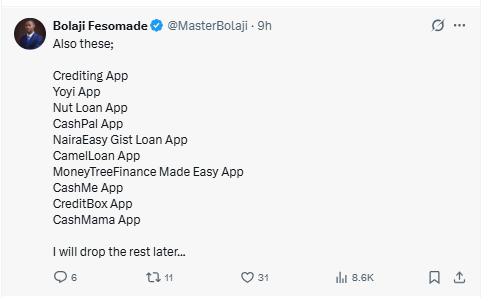
He later added another list that included Crediting App, Yoyi App, Nut Loan App, CashPal App, NairaEasy Gist Loan App, CamelLoan App, MoneyTreeFinance Made Easy App, CashMe App, CreditBox App and CashMama App. He said he would release the rest later, suggesting the crackdown may be bigger than the first list.
That post has drawn attention because many Nigerians know these apps well. They are often easy to download, easy to use, and easy to regret.
One minute you are borrowing ₦10,000 for “urgent” needs, the next minute you are getting calls like your life is a court case.
What happens next
For now, the key question is whether these apps are already gone for good or just waiting for the next enforcement step. FCCPC has said it will continue to go after illegal lenders, and the government has made it clear that digital credit is no longer a free-for-all.
If the latest claims are confirmed, this would be another sign that Nigeria is trying to clean up an industry that has become useful for some borrowers and very abusive for many others.
The bigger message is simple: the easy-money era for shady loan apps may be ending. And if a lender’s business model depends on fear, spam and embarrassment, regulators are now paying attention.











Leave a comment